

Lemons are the quiet powerhouses of the kitchen. They clean, brighten, balance, and transform food in ways that salt alone never could. Whether you’re building a marinade, finishing a sauce, baking a lemon drizzle loaf, or elevating a simple piece of fish, knowing how to cook with lemons properly changes everything. This guide walks you through flavor, technique, storage, and real recipes so you can start using lemons like a chef — not just squeezing them randomly over food.
Lemons, The Underdog of the Kitchen
Lemons don’t usually get center stage. They’re not the butter melting dramatically in a pan or the perfectly seared steak resting on a cutting board. They sit quietly in a bowl on the counter, bright and overlooked, waiting for their moment. Most people think of them as garnish — a quick squeeze over fish, a wedge on the side of a drink, something decorative more than essential. But once you truly learn how to cook with lemons, you realize they aren’t background flavor at all.
A dish can be perfectly salted, beautifully seasoned, even technically flawless — and still taste flat. That’s where lemon steps in. Acidity sharpens flavors, balances richness, and makes ingredients taste more like themselves. A splash of lemon juice can wake up a cream sauce that feels heavy. A touch of zest can transform a simple loaf into something fragrant and memorable. Even roasted vegetables, when finished with lemon, suddenly feel brighter and more intentional.
Lemons don’t overpower when used correctly. They elevate in a way that makes everything else shine. Once you understand that role — not just as a flavor, but as a balancing tool — you stop seeing lemons as optional and start reaching for them on purpose. That’s when your cooking shifts from good to confident.
Growing Up With Lemons in a Caribbean Kitchen

In a Caribbean kitchen, lemons weren’t decorative. They were practical. Necessary. Non-negotiable.
I don’t remember lemons being used to “elevate” dishes when I was growing up. Nobody was zesting them into sauces or squeezing them into delicate soups, like my Snow Crab Leg Soup. Lemons were there to clean the fish, wash the chicken and rub down the cutting boards to get rid of stubborn smells. If seafood hit the counter, a lemon followed. If meat needed “freshening up,” a lemon was sliced without a thought.
And if somebody had a cough? A spoonful of lemon and honey would be stirred into hot tea or served straight up like a shot. No debates.
It wasn’t until I became an adult — and started cooking outside of that traditional rhythm — that I realized lemons were more than a cleaning tool or home remedy. They were flavor architects. The same citrus that cleaned a cutting board could brighten a sauce. The same lemon that washed fish could transform it.
Learning how to cook with lemons beyond their “cleaning” role felt like unlocking a second identity. Same fruit. Different purpose. And that shift changed everything about how I approach flavor today.
Why Cooking With Lemons Elevates Food
There is something almost magical about what lemons do in a dish. If used correctly, they don’t overpower. They don’t scream for attention. They slip in quietly and suddenly everything tastes brighter, clearer, more alive. That’s the part people underestimate. Lemon doesn’t just add flavor — it sharpens the flavors that are already there.
When food tastes flat, heavy, or muddy, it usually isn’t missing salt. It’s missing acid. And lemon is one of the cleanest, most accessible sources of acid we have in the kitchen. A squeeze can cut through richness. It can balance fat. It can wake up roasted vegetables, seafood, chicken, even creamy sauces.
What I’ve learned over time is that lemon works like a spotlight. It doesn’t change who the star of the dish is — it just helps you see it more clearly. That’s why once you understand how to cook with lemons properly, you start reaching for them instinctively. They bring structure to flavor.
And once you start using them intentionally instead of accidentally, you realize you’ve been underusing them all along.
As A Marinade
Lemon as a marinade is where science and flavor meet in the best way. The acidity in lemon juice gently breaks down proteins, which helps tenderize meat while infusing it with brightness at the same time. That’s why lemon works so beautifully on chicken, fish, and even pork.
When I make lemon pepper chicken or lemon paprika salmon, the lemon doesn’t just sit on the surface. The key, though, is balance. Too much lemon for too long can turn delicate proteins mushy. That’s especially true with seafood. A short marinade is usually all you need.
In the Caribbean kitchen, lemon was used to “wash” meat before cooking. As an adult, I realized that same acidity could be harnessed intentionally for flavor. Pair it with olive oil, garlic, herbs, maybe a little Dijon, and you’ve got a marinade that doesn’t overpower — it enhances.
The beauty of lemon in a marinade is that it does two jobs at once. It tenderizes while it perfumes. It softens while it sharpens. And when it hits heat, that brightness mellows into something rounded and deeply savory.
As a Sauce
This is where lemon really starts to feel elegant.
When you turn lemon into a sauce, it transforms from background player to refined accent. Think about lemon caper sauce spooned over pork chops. Or brown butter with lemon drizzled over walleye. That slight acidity slices through richness and keeps buttery sauces from feeling heavy.
Lemon-based sauces are often simple — butter, garlic, wine, capers, maybe a splash of broth — but it’s the lemon that ties everything together. It prevents cream sauces from feeling cloying and adds lift to pan sauces built from fond and drippings.
What I love most is that lemon sauces don’t mask the main ingredient. They frame it. They let the protein shine while adding contrast and brightness. A squeeze at the end can completely reshape a sauce’s personality.
When used thoughtfully, lemon in a sauce doesn’t taste sour. It tastes balanced. It tastes intentional. And it makes even weeknight dinners feel restaurant-worthy without adding complexity or fuss.
As a Flavor Enhancer
Sometimes lemon isn’t the star. Sometimes it’s the quiet fixer.
A splash in mashed potatoes makes them taste less heavy. A squeeze over roasted vegetables brings them back to life. Even a few drops in a soup can sharpen the entire pot without anyone being able to pinpoint why it tastes better.
That’s the power of acid. It doesn’t need to be obvious to be effective.
When I taste something and it feels dull, my brain doesn’t automatically go to more salt anymore. It goes to lemon. Because lemon doesn’t just increase flavor — it clarifies it. It separates notes that were blending together too much and gives them space.
Used this way, lemon becomes a tool of refinement rather than dominance.
As a Finisher
The final squeeze of lemon right before serving is where the magic often happens. Heat dulls acidity, so adding fresh lemon at the end restores brightness that may have softened during cooking.
A drizzle over grilled fish. A squeeze on roasted chicken. Even a few drops over a finished pasta dish. It wakes everything up instantly.
Finishing with lemon is less about cooking and more about awakening. It’s the last brushstroke on a painting — small, but transformative.
How to Cook With Lemons Properly (Zest, Juice, Balance & Acidity)
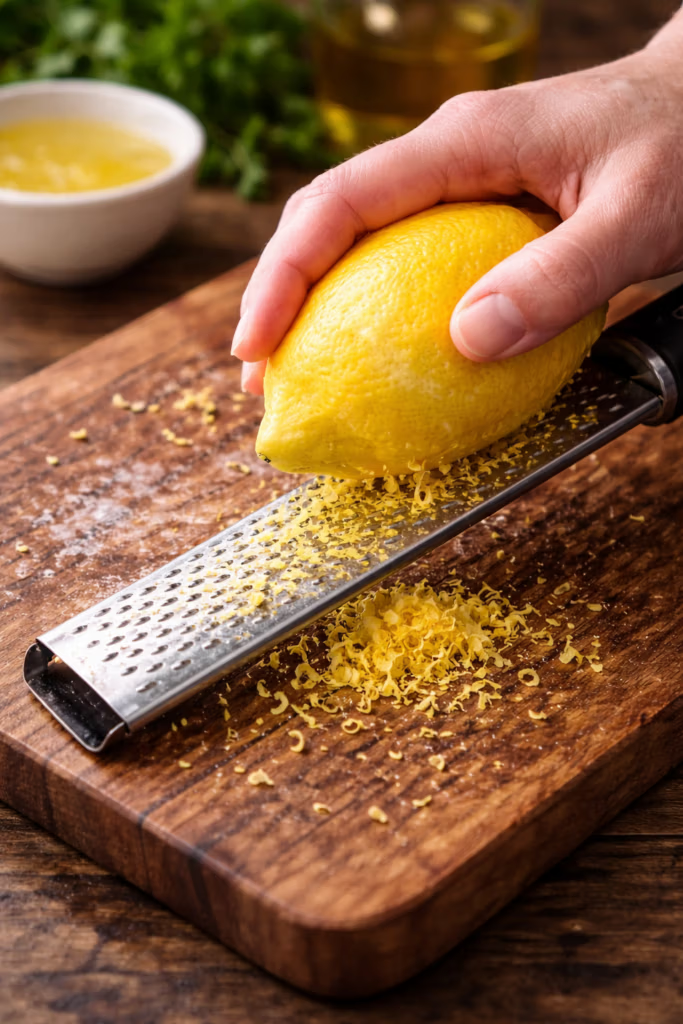
Knowing how to cook with lemons is one thing. Knowing how to use them properly is what separates “that tastes good” from “why is this so good?”
Let’s start with zest.
Lemon zest is the outer yellow layer of the peel — not the white part underneath. The white pith is bitter. The yellow skin is pure fragrant oil. When you zest a lemon into a dish, you’re adding concentrated citrus aroma without adding liquid or extra acidity. That’s why lemon zest in baked goods like a lemon drizzle loaf hits differently than juice alone.
Now, the juice.
Fresh lemon juice is sharp and acidic. It cuts through richness and balances fat. But balance is everything. If something tastes sour instead of bright, you’ve gone too far. The goal is lift, not takeover. A good rule of thumb is to start small. You can always add more. You cannot take it back.
Temperature also matters. Acid dulls slightly when heated, which is why finishing with fresh lemon at the end gives dishes that final spark. Add some during cooking for integration. Add more at the end for brightness.
And please — always taste before adding lemon. Sometimes your dish doesn’t need acid. Sometimes it needs salt. Lemon is powerful, but it’s not the answer to everything.
Used correctly, lemon doesn’t scream “I’m here!” It whispers, “This is better now.”
And that is the difference between cooking with lemons… and mastering them.
How to Store Fresh Lemons the Right Way
If you’re going to cook with lemons regularly, you need to know how to store them properly. There is nothing worse than reaching for a lemon only to find it shriveled, dry, or suspiciously soft. Fresh lemons are sturdy, but they do require a little care if you want them to last.
At room temperature, lemons will stay fresh for about a week, especially if your kitchen isn’t too warm. I actually love seeing a small bowl of lemons on the counter because it reminds me to use them. But if you’re stocking up, the refrigerator is your best friend. Stored in the crisper drawer inside a sealed bag or airtight container, lemons can last up to three weeks without drying out.
If you’ve already cut into a lemon, wrap it tightly or place it in a sealed container before refrigerating. It will keep for about three to four days. You can also freeze lemon juice in ice cube trays for easy portioning later, especially for marinades or sauces.
Proper storage means less waste, more flavor on demand, and a lemon that’s ready whenever your dish needs a bright finishing touch.
Cooking With Bottled Lemon Juice vs. Fresh Lemons
Let’s talk about that little plastic lemon-shaped bottle sitting in the grocery store. Is bottled lemon juice the same as fresh? Technically, it’s lemon juice. Practically, it’s not the same experience.
Fresh lemons bring more than acidity. They bring essential oils from the zest, natural brightness, and a layered citrus aroma that bottled juice simply cannot replicate. When you zest a lemon, you release fragrant oils that elevate seafood, chicken, cakes, and dressings in a way that bottled juice never will.
Bottled lemon juice can be convenient for marinades or large-batch cooking when you just need acidity. It’s stable, predictable, and shelf-friendly. However, it often tastes sharper and flatter because it has been processed and sometimes preserved with additives.
If flavor matters — and in your kitchen it should — reach for fresh lemons whenever possible. Use bottled juice in a pinch, but let fresh lemons lead when you want depth, brightness, and that unmistakable citrus lift that makes a dish feel alive.
Frequently Asked Questions About Cooking With Lemons
The best way to cook with lemons is to use both the zest and the juice strategically. Zest adds aromatic citrus flavor without extra acidity, while fresh juice brightens and balances rich dishes. Add lemon juice gradually and taste as you go.
Add lemon juice during cooking if you want it fully integrated into sauces or marinades. For the brightest flavor, add fresh lemon juice at the end of cooking as a finishing touch.
Fresh lemons are always best for flavor and aroma. Bottled lemon juice can work in a pinch, especially in marinades, but it lacks the brightness and natural oils found in fresh lemons.
Lemons pair beautifully with seafood, chicken, pork, leafy greens, butter-based sauces, roasted vegetables, and baked desserts like lemon drizzle cake. Lemon also enhances vinaigrettes and creamy dishes.
Balance is key. Start with small amounts of lemon juice and adjust slowly. If a dish becomes too sour, add a bit of fat, salt, or a touch of sweetness to rebalance the flavor.
Fresh lemons last about one week at room temperature and up to three weeks refrigerated. Store them in a sealed bag in the crisper drawer for best freshness.
My Favorite Lemon Dinner and Dessert Recipes
This lemon spotlight will grow as my recipe collection grows, but right now these are strong lemon-forward favorites.

Lemon Paprika Salmon and Asparagus
Cooks in 20 minutesDifficulty: EasyView RecipeBright, buttery salmon seasoned with lemon and paprika, pan-seared to perfection and served with tender asparagus for an easy, elegant dinner.

Lemon Lovers Lemon Pepper Chicken
Cooks in 60 minutesDifficulty: EasyView RecipeZesty, juicy chicken seasoned with fresh lemon and cracked pepper for a bright, flavorful dinner.
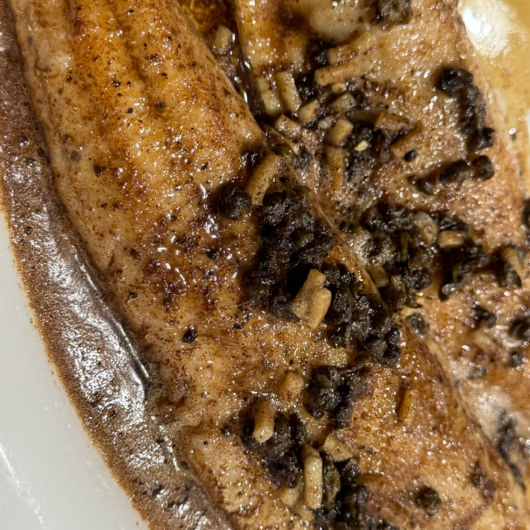
Pan-Seared Walleye with Brown Butter Lemon Caper Sauce
Cooks in 22 minutesDifficulty: EasyView RecipeLightly dredged walleye fillets are pan-seared to golden perfection, then topped with a buttery lemon-caper sauce that’s bright, rich, and full of flavor. This dinner feels restaurant-worthy but comes together in under 30 minutes.

Pork Chops in Silky Lemon-Caper Sauce
Cooks in 40 minutesDifficulty: EasyView RecipeTender pork chops in luscious lemon caper sauce—bright, rich, and weeknight elegant.

Moist Lemon Drizzle Loaf Cake
Cooks in 60 minutesDifficulty: EasyView RecipeA bright, buttery lemon loaf made entirely by hand — no mixer or blender required. Sour cream adds unbeatable moisture, while a simple lemon glaze sinks into the warm cake for extra zing. This is a no-fuss, bakery-worthy loaf perfect for busy moms, toddler helpers, and citrus lovers alike.
Final Thoughts: A Little Lemon Goes a Long Way
For me, lemons will always carry memory — Caribbean kitchens, clean cutting boards, seafood rinsed with intention, honey and lemon when someone felt under the weather. Now, as an adult, they feel like a chef’s tool. A squeeze at the end of a sauce. A little zest in a batter. A bright finish that makes a dish feel complete.
Once you understand how to cook with lemons properly — how to balance acidity, when to use zest, when to let juice shine — your cooking shifts. It becomes layered. Intentional. Alive.
If this post helped you see lemons differently, consider supporting the blog with a little love over on Buy Me a Coffee. And be sure to subscribe so you don’t miss new recipes, ingredient spotlights, and honest kitchen stories delivered straight to you.
Thank you for reading, for cooking, and for bringing a little brightness into your own kitchen.
Until the next squeeze,
Camille
Check Out My Latest Recipes and Posts
- No Bake Oreo Dream Cheesecake
 This Homemade Oreo Cheesecake recipe is a rich, creamy no bake dessert that keeps everything you love about Oreos and cheesecake perfectly balanced. The smooth cheesecake filling is infused with real Oreo crème for flavor. The chocolate cookie crust and topping add just the right amount of crunch. Each slice is thick, silky, and beautifully… Read more: No Bake Oreo Dream Cheesecake
 - This Homemade Cheesecake is Better Than Storebought and So Easy!
 This easy cheesecake recipe with graham cracker crust is creamy, smooth, and beautifully simple, with no water bath required and no complicated steps. If you’ve ever wondered how to make a classic cheesecake that feels indulgent but approachable, this is the one to try. Soft, rich, and perfectly balanced, this simple homemade classic cheesecake recipe… Read more: This Homemade Cheesecake is Better Than Storebought and So Easy!
 - How To Make Crispy Bang Bang Shrimp At Home
 This easy Bang Bang Shrimp recipe brings restaurant magic straight into your kitchen — juicy shrimp coated in a golden panko crust and tossed in a creamy, spicy-sweet sauce inspired by the Bonefish Grill Bang Bang Shrimp classic. It’s fast, bold, and addictive, the kind of snack or appetizer that makes people grab their phones… Read more: How To Make Crispy Bang Bang Shrimp At Home
 - How To Make a Perfect French-Canadian Meat Pie
 If you’ve ever wanted to master a classic French-Canadian meat pie recipe without all the fuss, this is it. This easy meat pie is rich, flavorful, and filled with seasoned pork and beef, mashed potatoes, and aromatic spices that make your home smell like pure comfort. You’ll learn exactly how to make an easy French-Canadian… Read more: How To Make a Perfect French-Canadian Meat Pie
 - How To Make Browned Butter And Sage Cornbread Using Jiffy
 If comfort had a smell, this would be it. My Browned Butter & Sage Cornbread is buttery, nutty, and kissed with fragrant sage that fills your kitchen with warmth before it even hits the oven. Made with a humble box of Jiffy, this easy cornbread recipe transforms into something magical—soft in the center, golden on… Read more: How To Make Browned Butter And Sage Cornbread Using Jiffy
 - The Best Date Night Easy Stuffed Chicken Breast Recipe
 This goat cheese stuffed chicken breast recipe is everything you crave after a long day — rich, tangy, comforting, and elegant without the fuss. Inside each golden, juicy chicken breast is a creamy mixture of goat cheese and spinach, sealed and baked to perfection. The real magic comes from the candied tomato topping — a… Read more: The Best Date Night Easy Stuffed Chicken Breast Recipe
