
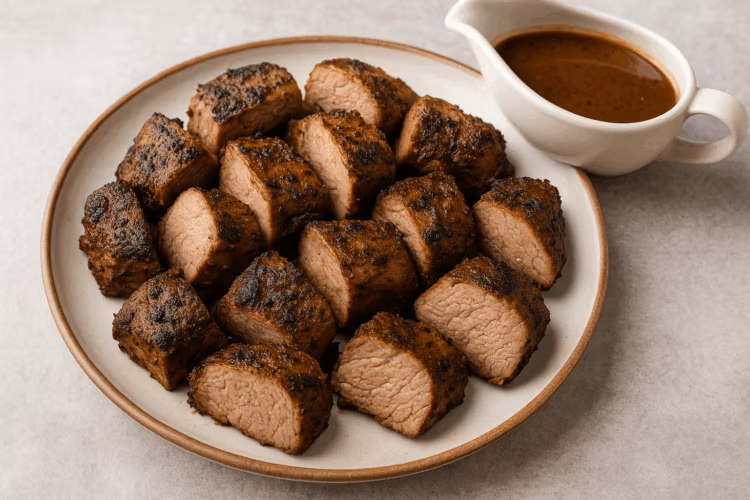
This Jamaican jerk pork tenderloin recipe brings bold, smoky flavor straight to your backyard without requiring a plane ticket to the islands. Juicy pork tenderloin is seasoned, marinated in authentic jerk paste, and cooked until perfectly tender with a lightly charred exterior. If you’ve ever wanted to learn how to make Jamaican jerk pork at home — whether on the grill or in the oven — this recipe walks you through it step by step.
Jamaican Jerk Pork Is a Time Machine for Me
Every time I smell jerk pork cooking, I’m immediately transported back in Jamaica with my family, standing in line at what I lovingly call the drum pan man — the man grilling jerk meat over a cut-open oil drum, smoke curling into the air, flames licking the edges of pork and chicken like they know exactly what they’re doing. You don’t rush the drum pan man. You wait. You watch. You inhale. And when your turn comes, you get handed a plate that changes your whole day.
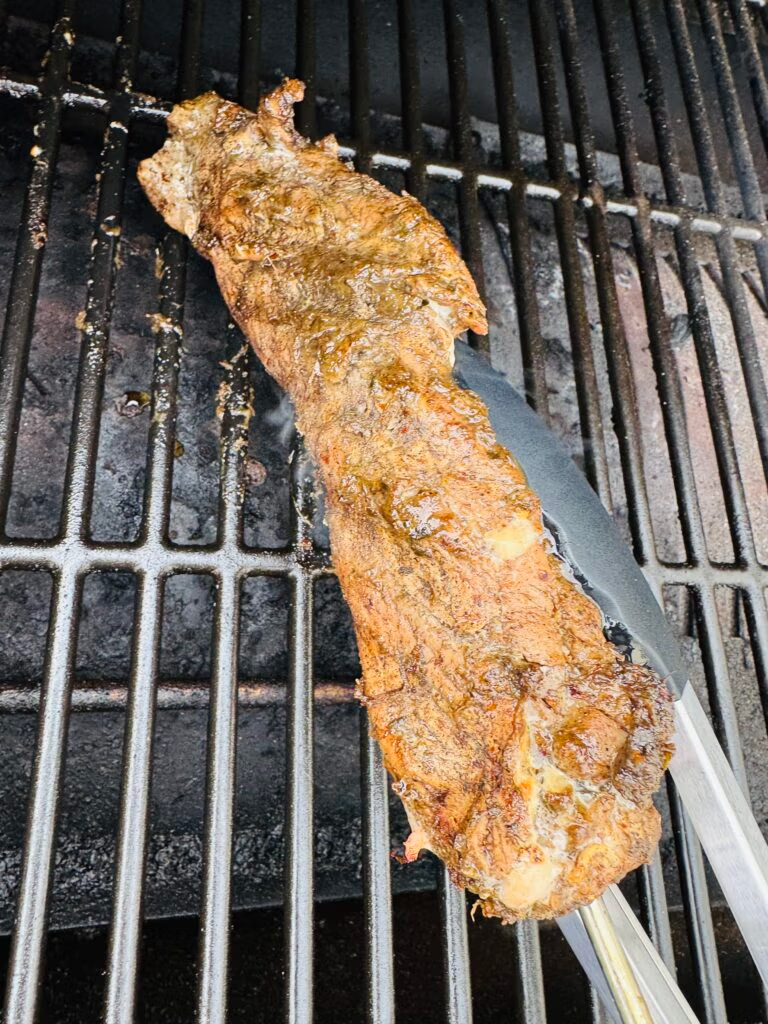
We had drum pan men in Florida too, but let’s be honest — there is nothing like the real thing in Jamaica.
Fast-forward years later, and now it’s me, standing in my own backyard, grilling Jamaican jerk pork tenderloin while my stepdad mans the grill or offers commentary from five feet away. It’s one of those full-circle moments — past and present overlapping — and that’s part of why jerk pork will always be special to me.
Jerk flavor is our flavor. Jamaicans are known for it. And while jerk chicken gets most of the spotlight, jerk pork is iconic. Rich, smoky, spicy, and deeply seasoned — it’s bold in a way that doesn’t apologize.
I don’t make it as often these days because it’s too spicy for my daughter, but when I do? It’s a moment. Every single time.
Why You’ll Love This Jamaican Jerk Pork Recipe
What I really love about this Jamaican jerk pork recipe is how achievable it is. You don’t need a drum pan or a beachside grill to pull this off. A good jerk paste does most of the heavy lifting, and these days it’s easier than ever to find. If your local grocery store doesn’t have it in the international foods section, you can absolutely grab authentic Jamaican jerk seasoning or jerk paste online, including on Amazon. No gatekeeping here — good food should be accessible.
This recipe also gives you flexibility. You get that authentic grilled jerk pork flavor, but without pressure. You can cook it outside, inside, or wherever you are — apartment, house, backyard, or kitchen oven. That’s what makes this Jamaican jerk pork tenderloin so approachable for real life.
And if you’re curious about why jerk tastes the way it does — the history, the culture, the flavors behind it — I’d love for you to check out my blog post on the history of Jamaican cooking. Jerk seasoning isn’t just spicy meat; it’s heritage, survival, and flavor all wrapped into one.
Once you’ve got that understanding, the next step is simple: choose your cooking method, cook to temperature, and let the jerk do what it does best.
No Grill? No Problem — Jerk Pork Is Still Possible
Not everyone has access to a grill, and I never want that to be the reason someone skips a recipe.
Yes, this is a grilled jerk pork recipe, but you can absolutely make Jamaican jerk pork in the oven and still get incredible results. The key isn’t the grill — it’s the temperature.
No matter how you cook it:
- Grill
- Gas grill
- Pellet grill
- Oven
You cook jerk pork to temperature, not vibes.
Pork tenderloin should reach 145°F, then rest. That’s it. Overcook it, and it dries out. Undercook it, and you’ll be nervous slicing it.
This is also why I’m a huge advocate for cooking with a meat thermometer. I talk more about that in my meat thermometer guide, because once you start cooking to temp, everything changes — especially meats like pork.
Ingredients You’ll Need
- Pork tenderloin
- Jerk paste (Walkerswood or similar)
- All-purpose seasoning
- Garlic powder
- Onion powder
- Soy sauce
- Neutral oil (for browning)
How to Make Jamaican Jerk Pork
- Season the Pork
Pat the pork tenderloin dry. Season lightly with all-purpose seasoning, garlic powder, onion powder, and a small splash of soy sauce for depth.
- Add the Jerk Paste
Rub jerk paste evenly over the pork, coating all sides. Add a drizzle of oil to help with browning.
- Marinate (Optional but Recommended)
If time allows, cover and refrigerate for at least 2 hours or overnight. If not, proceed — the flavor will still be strong.
- Grill or Roast
Cook over medium heat, turning occasionally, until the internal temperature reaches 145°F.
- Rest the Meat
Remove from heat and let rest for 10 minutes. This keeps the pork juicy.
- Slice and Serve
Slice into medallions and serve immediately.
Pairing Ideas for Authentic Jamaican Jerk Pork
When it comes to pairing this easy jerk pork recipe, I don’t believe in limits. You can go traditional with rice and peas, but don’t sleep on a good fried sweet plantain or Maple roasted acorn squash to balance the heat.
Here are some of my favorite sides that complement Jamaican jerk pork perfectly:
- Jamaican Rice and Peas – Creamy, coconutty rice with the perfect hit of thyme.
- Fried Plantains – Sweet and savory. Simple, but essential.
- Jazzed-Up Jiffy Cornbread Muffins – Buttery, slightly sweet cornbread that balances the spice.
- Creamy Jamaican Potato Salad – Cold, creamy, and satisfying against the heat of the jerk.
- Maple Roasted Acorn Squash – A slightly sweet contrast to the spicy pork.
For dessert: Bread Pudding with Rum Butter Sauce or a creamy Berry Trifle — perfect endings to a flavorful meal.
Jamaican Jerk Pork FAQ
Yes. Pork tenderloin cooks quickly and stays juicy when cooked properly.
Traditionally, it’s spicy. You can adjust by using less jerk paste or scraping excess off before cooking.
Absolutely. Roast at 400°F until the internal temperature reaches 145°F.
No, but longer marinating deepens the flavor.
Resting allows juices to redistribute, keeping the pork moist.
Storage, Make-Ahead & Reheating Tips
One of the reasons I love this Jamaican jerk pork tenderloin recipe is that it works just as well for planning ahead as it does for cooking fresh. Jerk pork is bold, deeply seasoned, and forgiving — which means leftovers don’t feel like an afterthought.
How to Store Jamaican Jerk Pork
Once fully cooked and cooled, store leftover jerk pork in an airtight container in the refrigerator for up to 3–4 days. Pork tenderloin holds its moisture well, especially when cooked to the proper temperature, so it stays juicy even after chilling.
For best results, store the pork sliced or whole, depending on how you plan to reheat it. Whole pieces retain moisture slightly better, while sliced pork is quicker to reheat for weeknight meals.
Can You Make Jerk Pork Ahead of Time?
Yes — and it’s actually a great idea. You can season and marinate the pork tenderloin with jerk paste up to 24 hours in advance, which allows the flavors to deepen. This is especially helpful if you’re planning to grill Jamaican jerk pork for guests or a weekend cookout.
You can also fully cook the pork ahead of time and reheat it later without sacrificing flavor.
How to Reheat Grilled Jerk Pork
To reheat grilled jerk pork without drying it out:
- Skillet: Warm gently over medium-low heat with a splash of water or broth.
- Oven: Cover with foil and reheat at 300°F until warmed through.
- Microwave: Use short intervals and cover to trap steam (least preferred but works).
Avoid high heat when reheating — jerk pork shines when it stays tender.
Freezing Jerk Pork: Cooked Jamaican jerk pork can be frozen for up to 2 months. Wrap tightly or vacuum seal for best texture. Thaw overnight in the refrigerator before reheating gently.
Final Thoughts
Jamaican jerk pork isn’t just a recipe — it’s a feeling. It’s smoke in the air, spice on your fingertips, and that moment when you slice into the pork and realize you absolutely nailed it. Whether you grilled this jerk pork tenderloin outside, roasted it in the oven, or adapted it for your own space, this dish proves that bold Jamaican flavor can live right in your backyard kitchen.
If there’s one thing I want you to take away from this Jamaican jerk pork recipe, it’s this: cooking to temperature changes everything. Using a meat thermometer takes the guesswork out of grilling and roasting and helps you keep your pork juicy, safe, and perfectly cooked every time. If you want to dive deeper, I highly recommend checking out my post on the meat thermometer I actually use in my kitchen, and my companion article on how cooking with a meat thermometer made me a better, more confident cook. That one truly changed the way I approach meat.
If you loved this recipe, I’d be so grateful if you’d buy me a coffee — every little bit helps support the blog and keeps these recipes coming. And don’t forget to subscribe! When you sign up, you’ll get my free kitchen printables, including a meat temperature guide and substitution chart, delivered straight to your inbox.
Until next time — keep it bold, keep it flavorful, and trust yourself in the kitchen.
With jerk spice and love,
Camille

Jamaican Jerk Pork Tenderloin
6
servings5
minutes20
minutes25
minutesJuicy, spicy, and full of smoky Caribbean flavor — perfect for warm weather grilling or cozy oven roasting.
Keep the screen of your device on
Ingredients
1 pork tenderloin (about 1–1.25 lb), trimmed
1 tablespoon vegetable
1 teaspoon all-purpose seasoning
½ teaspoon garlic powder
½ teaspoon onion powder
1 tablespoon soy sauce
2 tablespoons Walkerswood jerk seasoning paste

Directions
- Season the Pork: Pat the pork tenderloin dry. Rub lightly with oil, then season evenly on all sides with all-purpose seasoning, garlic powder, and onion powder. Drizzle with soy sauce and massage it into the meat.
- Apply Jerk Marinade: Rub the jerk seasoning paste evenly over the pork, coating all sides well.
- Cover and marinate for at least 30 minutes, or up to 24 hours if time allows.
- Preheat Your Cooking Method: Gas or Charcoal Grill: Medium-high heat (400–425°F) /Pellet Grill: 400°F / Oven: 425°F
- Cook to Temperature: Place pork on the grill (or on a rack over a sheet pan if oven-roasting).
- Cook, turning occasionally, until the internal temperature reaches 145°F. (Average cook time: 18–25 minutes, depending on thickness)
- Rest and Slice: Remove pork from heat and let rest for 8–10 minutes. Slice into medallions and serve.
Did you make this recipe?
Tag @camilles_comforting_cuisine on Instagram and hashtag it with
Like this recipe?
Follow camillescomfortingcuisine on Pinterest
Check Out My Latest Recipes
- 20 Jamaican Recipes You Need to Know: Real Flavor from a Real Jamaican Kitchen
 Where Flavor Feels Like Home When people talk about Jamaican food recipes, they usually start with how spicy it is. But to me, Jamaican food is about something deeper. It’s about memories and waking up to the smell of thyme and garlic in the air. Growing up Jamaican in Florida, my life was a mix… Read more: 20 Jamaican Recipes You Need to Know: Real Flavor from a Real Jamaican Kitchen
 - Easy and Authentic Jamaican Brown Stew Chicken Everyone Will Love
 Jamaican brown stew chicken is one of those meals that feels like a hug from the stove. It’s simple, deeply flavorful, and built from ingredients most of us already have on hand. In this post, I’m sharing my Jamaican brown stew chicken recipe — a true Caribbean brown stew chicken that’s weeknight-friendly, kid-approved, and perfect… Read more: Easy and Authentic Jamaican Brown Stew Chicken Everyone Will Love
 - How to Easily Make The Best Jamaican Jerk Gravy
 If you’ve ever plated jerk chicken or pork and thought, “Wow, this flavor is hitting—but something on this plate is DRY,” you’re in the right place. This Jamaican jerk gravy is the silky, buttery, sweet-heat magic that turns grilled meats into a full caribbean flavor experience. It’s the comeback sauce, the flavor glue, the moment… Read more: How to Easily Make The Best Jamaican Jerk Gravy
 - How to Make Easy Jamaican Fried Bammy
 Golden, crispy on the outside, tender and slightly chewy on the inside—this Jamaican fried bammy recipe is one of those humble side dishes that quietly steals the show. Made with store-bought bammy rounds and a simple milk soak, this easy fried bammy recipe brings bold Caribbean comfort to your plate with very little effort. If… Read more: How to Make Easy Jamaican Fried Bammy
 - How To Make Jamaican Brown Stew Beef in the Ninja Foodie Or Instant Pot
 This Instant Pot Jamaican Brown Stew Beef brings deep island comfort to your weeknight table without hours in the kitchen. Tender beef, rich gravy, layers of aromatics, and a signature Jamaican browning sauce come together in one pot for a bold, savory, nostalgic stew. This post explores the flavor, the technique, and the story behind… Read more: How To Make Jamaican Brown Stew Beef in the Ninja Foodie Or Instant Pot
 - How to Make Jamaican Curry Chicken In The Instant Pot
 If you’ve been craving the kind of curry chicken that warms the chest, calms a chaotic day, and tastes like home—even when life feels upside down—this Instant Pot curry chicken recipe is the golden shortcut you didn’t know you needed. This post walks you through the flavor, the technique, the history, and the nostalgia behind… Read more: How to Make Jamaican Curry Chicken In The Instant Pot

