
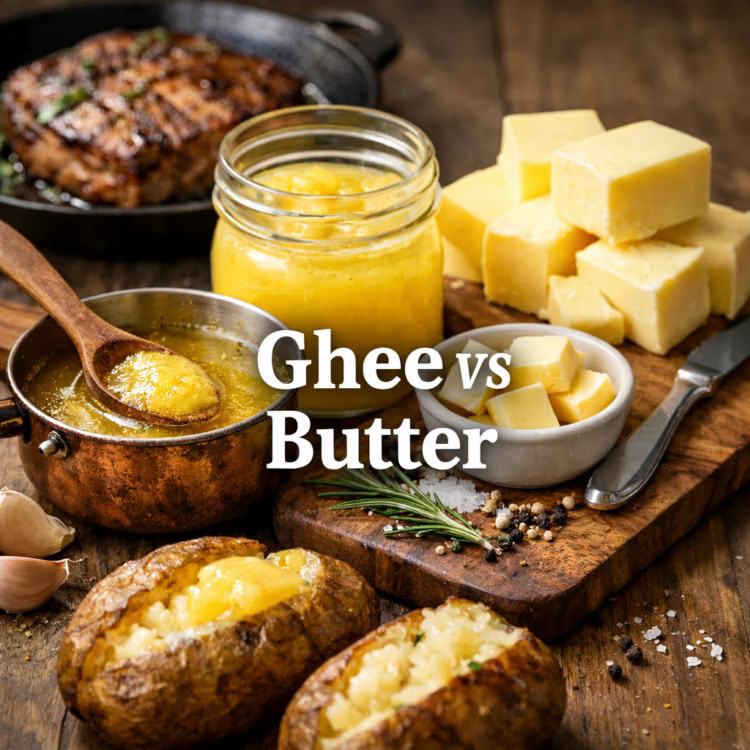
Ghee versus butter might sound like a small kitchen choice, but once you understand the difference, it completely changes how you cook. In this guide, you’ll learn why clarified butter is such a powerful ingredient, how to use ghee in everyday meals, and when it works better than regular butter. If you’ve never cooked with it before, you’re about to discover a richer flavor, better high-heat cooking, and a simple upgrade that makes a real difference. By the time you finish reading, you’ll know exactly how to start using ghee in your own kitchen with confidence.
Who Is Ghee? Because I Definitely Didn’t Know at First

If someone had walked up to me years ago and started talking about ghee or clarified butter, I probably would’ve looked around wondering who they were talking about. Growing up, we cooked with olive oil, sometimes vegetable oil, and that was pretty much it.
Years Later, I am dating a Guyanese guy, and one day I am watching his family make roti. I remember the mounds of dough, the smell of dough hitting a hot pan, and this golden, glossy grease being spread over the dough before it was rolled out. Unable to control my curiosity, I asked, “What is that?”, and that’s when I learned about ghee a.k.a Clarified butter.
They explained it in the simplest way possible, that it was butter with the milk removed. And it could handle high-heat cooking without burning. It helped the roti cook beautifully, and the smell alone told me it was doing something special. It was nutty, rich, and comforting all at once. The ladies also went as far as enlightening me that they make their Ghee at home… but this is a story of its own.
That entire day of being in the kitchen cooking and then later eating that delicious roti, that moment stuck with me more than I realized at the time.
Because it wasn’t just about learning a new ingredient. It was the first time I understood how one small change in how you cook can completely change how food tastes, smells, and feels. That kitchen, those women teaching me, and that introduction to ghee quietly shifted how I approached cooking from that point on.
Why You’ll Love Cooking with Ghee (Even If You’ve Never Used It Before)
Once I started cooking with ghee regularly, I began noticing little differences in my cooking. The food browned better. And the biggest surprise of all? I stopped burning butter every time I tried to cook something over a higher heat.
If you’ve ever tried to sear a steak in butter and ended up with a smoky kitchen and a pan that looks like it’s been through something traumatic, you already know what I’m talking about. Ghee, on the other hand, can handle heat like a champ. That’s one of the biggest reasons I keep it on hand.
Cooking with ghee feels almost effortless once you get used to it. You can sauté vegetables, fry eggs, sear meats, and build sauces without worrying about that sharp, burnt smell creeping in too soon. I’ve used it on everything from my rosemary ribeye steak to baked potatoes, and every time it adds this subtle, warm, almost nutty depth that makes food taste just a little more complete.
Another thing I love is how flexible it is. You don’t have to reserve ghee for Indian or Caribbean cooking. Yes, it shines in dishes like roti, curries, and spiced meats. But it’s just as good in everyday American comfort food. Think grilled cheese, roasted vegetables, or even eggs in the morning.
What makes it special is that it brings both flavor and function. It’s not just about taste. It’s about how it cooks. How it holds heat. How it helps you get that beautiful golden color on food without rushing or stressing.
Once you try it a few times, it stops feeling like some fancy ingredient and starts feeling like a kitchen secret you’re glad you learned.
Benefits of Cooking with Ghee & How to Use It in Everyday Meals
When I’m making something like steak, potatoes, or even a quick pan of vegetables, ghee lets me cook at higher temperatures without worrying that the fat will turn bitter or dark too fast. You still get that rich, buttery flavor, but without the fragile nature of regular butter. It’s one of the reasons I reach for it when I want a good sear or when I want food to develop that golden color.
Another benefit is the taste. Ghee has this deep, slightly nutty flavor that feels warm and comforting. It doesn’t overpower your food. It just enhances what’s already there. A spoonful in a hot pan can make simple ingredients feel more intentional. Eggs taste richer. Rice smells better. Vegetables get that glossy, sautéed finish that feels restaurant-worthy without much effort.
As for how to use ghee in cooking, it’s actually very simple. You can use it almost anywhere you would normally use butter or oil. Melt a small amount in a skillet before adding vegetables. Use it to coat potatoes before roasting, like in my Ghee rubbed baked potatoes recipe. Fry eggs in it. Stir a little into warm rice. Even brushing it over bread before toasting adds a beautiful flavor.
You don’t need a lot. A small spoonful goes a long way because it spreads easily and holds heat well. If you’re just starting out, think of it as your go-to for any recipe that involves a pan and a little bit of fat. It works especially well for high-heat cooking where butter might struggle.
Ghee vs Butter: What’s the Real Difference?
At first glance, ghee and butter seem like they should be interchangeable. They both come from milk and they both melt. They both even make food taste better. But once you start cooking with them, you realize they behave very differently in the pan.
Butter contains milk solids and water. That’s what gives it that creamy taste and why it browns so beautifully. But those milk solids are also the reason butter can burn when the heat gets high. The butter foams, then turns brown. If you keep cooking past that point, it can taste bitter.
Ghee is different because it’s clarified. The milk solids have been removed, leaving behind pure butterfat. That one change makes a big difference. Without those solids, ghee can handle much higher temperatures without burning. That’s why it’s so good for searing, frying, and roasting.
From a flavor perspective, butter tastes soft and creamy. Ghee tastes deeper, warmer, and slightly nutty. It’s still buttery, just more concentrated. I like using butter when I want something gentle and familiar, like spreading it on bread or finishing mashed potatoes. I reach for ghee when I’m cooking something that needs heat and flavor at the same time.
There’s also a difference in how they act in the kitchen. Butter is perfect for baking, sauces, and lower-heat cooking. Ghee is perfect for frying, sautéing, and anything where you want a golden crust without worrying about burning.
If you’re wondering when to use ghee instead of butter, think about the temperature. High heat? Ghee is your friend. Low heat or baking? Butter usually works beautifully.
It’s not about choosing one over the other. I keep both on hand because they serve different purposes. Butter gives comfort and familiarity. Ghee gives strength and flexibility.
Quick Comparison Table: How to Use Ghee vs Butter
| Category | Ghee | Butter |
|---|---|---|
| Contains milk solids | No | Yes |
| Smoke point | High (450°F) | Low–medium (300–350°F) |
| Flavor | Rich, nutty, aromatic | Creamy, mild, buttery |
| Best for | High-heat searing, infusing herbs | Baking, sauces, casseroles |
| Shelf-stable? | Yes (unopened) | No |
| Used in my blog | Steak, shrimp, crisped meats | Casseroles, baked goods, sauces |
Frequently Asked Questions About Ghee vs Butter
The main difference between ghee and butter is that ghee is clarified butter with the milk solids removed. This gives ghee a higher smoke point, a richer flavor, and a longer shelf life. Butter contains water and milk proteins, which can burn faster during high-heat cooking.
Ghee and butter both contain fat and should be used in moderation. However, ghee may be easier to digest for some people because the milk solids are removed. Many home cooks prefer ghee for its clean cooking performance and deep, nutty taste.
You can use ghee in cooking anywhere you would normally use butter, especially for sautéing, frying, and searing. It works well for steak, roasted vegetables, eggs, and crispy baked potatoes because it handles heat without burning.
Yes, ghee can be used in place of butter in most savory recipes. It is especially helpful when cooking at higher temperatures. For baking, butter is usually better because it adds moisture and structure that ghee does not provide.
Ghee has a higher smoke point because the milk solids and water are removed during the clarification process. Without those components, it can handle higher heat without smoking or burning.
Yes. Ghee has a slightly nutty, toasted flavor that adds depth to food. Butter tastes more creamy and mild. Both have their place depending on the dish.
Use ghee for frying, searing, and roasting. Use butter for baking, sauces, and finishing dishes for a smooth, creamy taste.
Final Thoughts
If you’ve made it this far, then you now understand why I always keep both ghee and butter in my kitchen. This whole ghee vs butter conversation isn’t about choosing sides. It’s about learning when each one shines and letting them work for you. Once you know the difference between ghee and butter and how to use clarified butter in cooking, you start to see your recipes in a whole new way. You notice better sears, richer flavor, and more control over heat without worrying about burning.
Ghee has become one of those quiet little upgrades in my cooking that makes everything feel just a bit more intentional. From frying a steak to crisping potatoes to building flavor at the start of a dish, it’s a simple switch that can make a real difference. And butter will always have its place too. Some recipes just need that classic, creamy touch that only butter can give.
If this guide helped you understand the difference between ghee vs butter or gave you the confidence to try cooking with ghee for the first time, I’d love for you to stick around. Subscribe to the blog so you don’t miss new recipes, beginner-friendly tips, and real-life kitchen wins. When you subscribe to the blog, you’ll also get my helpful kitchen resources like the meat temperature guide and substitution chart to make cooking even easier.
And if you enjoy what I share here and want to support the work that goes into testing recipes, writing, and keeping the blog growing, you can always Buy Me a Coffee. Every bit of support helps keep this kitchen going.
Thanks for learning, cooking, and growing with me.
With love,
Camille
Check Out My Latest Recipes
- No Bake Oreo Dream Cheesecake
 This Homemade Oreo Cheesecake recipe is a rich, creamy no bake dessert that keeps everything you love about Oreos and cheesecake perfectly balanced. The smooth cheesecake filling is infused with real Oreo crème for flavor. The chocolate cookie crust and topping add just the right amount of crunch. Each slice is thick, silky, and beautifully… Read more: No Bake Oreo Dream Cheesecake
 - An Easy Cheese Quiche Recipe You Will Make Again and Again
 Creamy, rich, and surprisingly simple, this cheese quiche recipe is the kind of breakfast that feels elegant without requiring much effort. This three cheese quiche recipe is made with a frozen pie crust, a silky egg custard, and layers of melted cheese for a texture that feels downright luxurious. If you’ve ever wondered how to… Read more: An Easy Cheese Quiche Recipe You Will Make Again and Again
 - This Homemade Cheesecake is Better Than Storebought and So Easy!
 This easy cheesecake recipe with graham cracker crust is creamy, smooth, and beautifully simple, with no water bath required and no complicated steps. If you’ve ever wondered how to make a classic cheesecake that feels indulgent but approachable, this is the one to try. Soft, rich, and perfectly balanced, this simple homemade classic cheesecake recipe… Read more: This Homemade Cheesecake is Better Than Storebought and So Easy!
 - You Will Love This Easy Strawberry Shortcake Overnight Oats Recipe
 Some mornings call for coffee and quiet. Others demand something sweet enough to convince you to get out of bed at all. These strawberry shortcake overnight oats live somewhere perfectly in between — creamy, gently sweet, and layered with real strawberries and graham cracker crumble that make breakfast feel like dessert without tipping into indulgence… Read more: You Will Love This Easy Strawberry Shortcake Overnight Oats Recipe
 - Buffalo Chicken Dip Recipe
 If you’re searching for a crowd-pleasing appetizer that delivers bold flavor without complicated prep, this buffalo chicken dip recipe checks every box. This easy buffalo chicken dip recipe uses simple ingredients, comes together quickly, and bakes into a hot, creamy, irresistible dish that belongs on every game day table. In this post, you’ll learn exactly… Read more: Buffalo Chicken Dip Recipe
 - How to Make a Roasted Butternut Squash Soup with Apples
 There’s something magical about roasting butternut squash until it turns golden, sweet, and just a little caramelized. This roasted butternut squash soup with apple wraps all that goodness into one velvety, creamy bowl that feels like a hug from the inside out. If you’ve been craving a homemade butternut squash soup recipe that balances comfort,… Read more: How to Make a Roasted Butternut Squash Soup with Apples
