
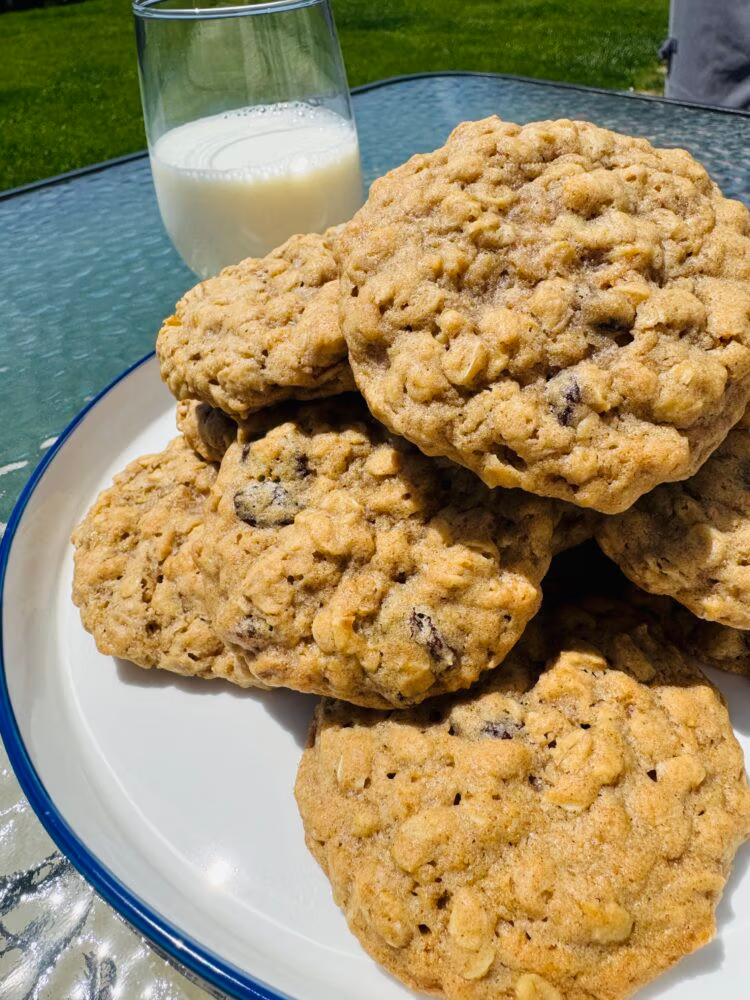
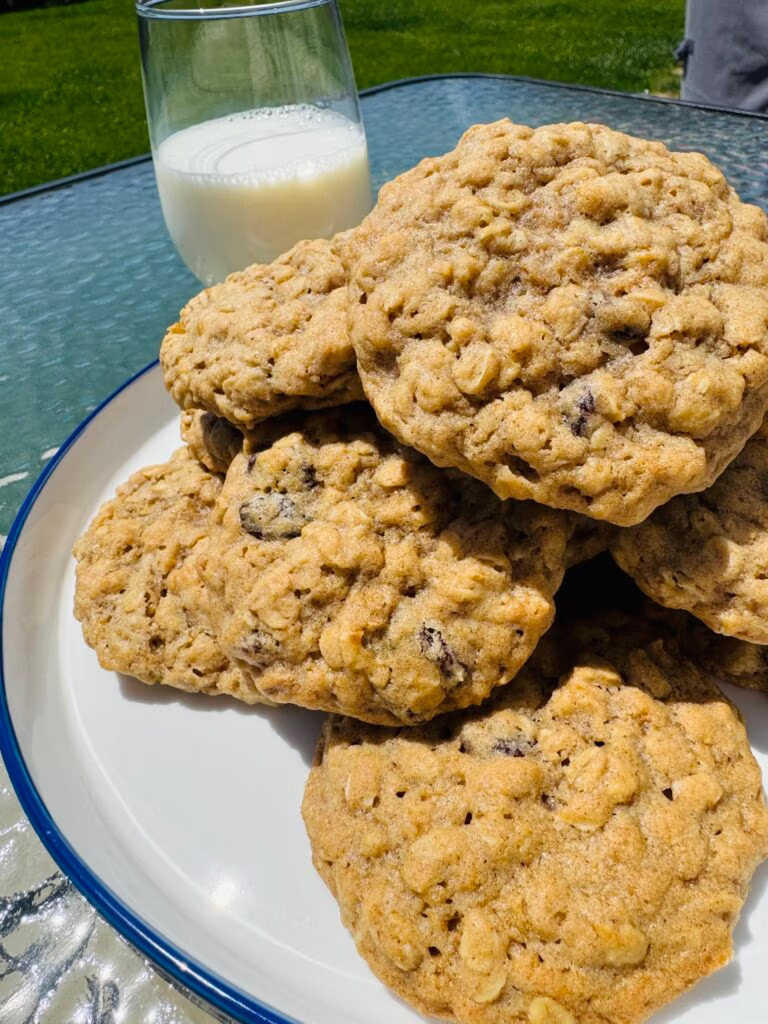
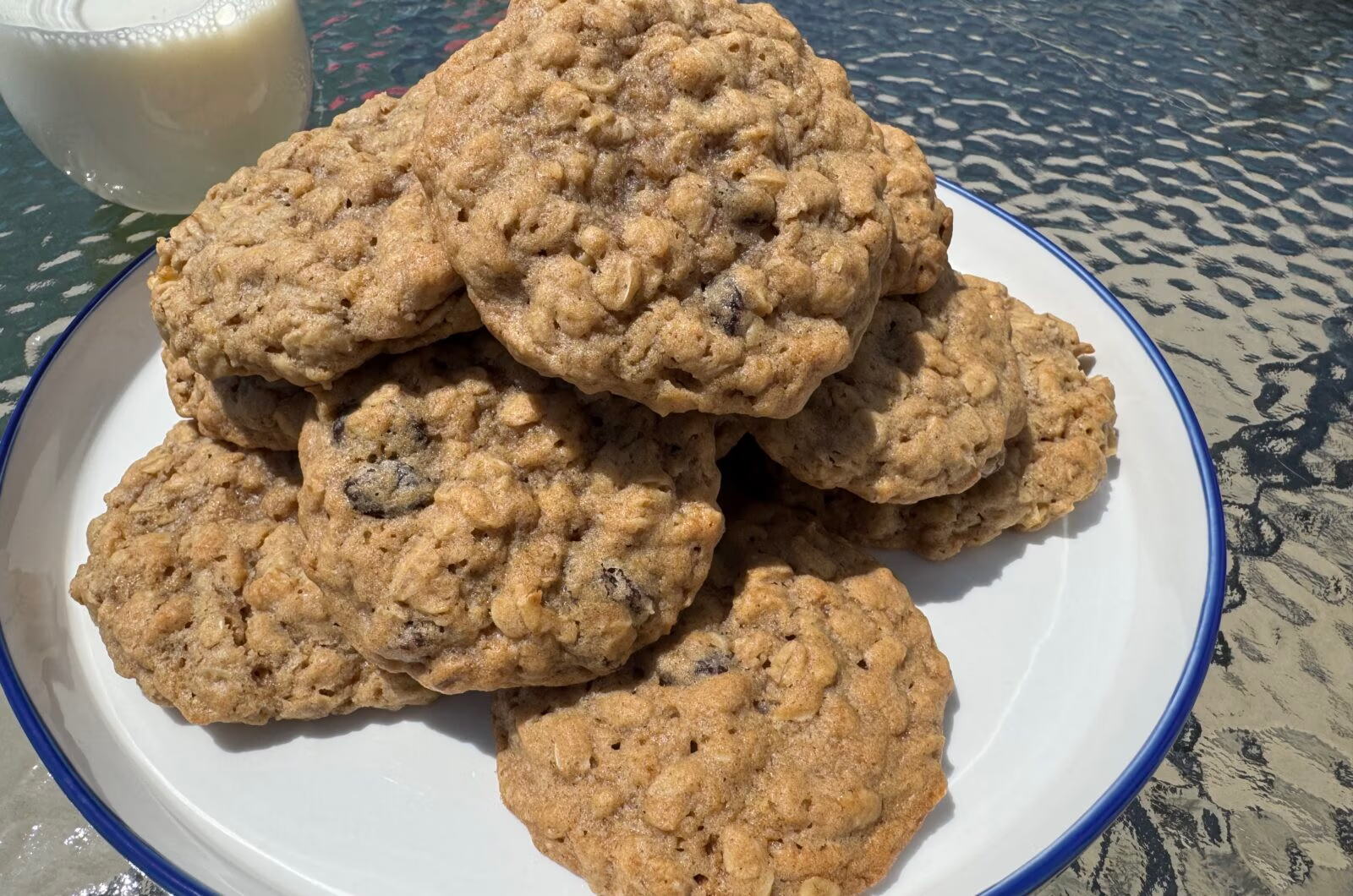
These oatmeal cookies with bread flour are thick, chewy, and quietly nostalgic in the best way. They bake up with golden edges, soft centers, and a structure that holds together beautifully—no crumbling, no excessive spread. If you’re looking for an easy oatmeal cookie recipe with bread flour that delivers bakery-style texture at home, this one is worth keeping.
Why I Made These Oatmeal Cookies With Bread Flour
I didn’t fall in love with oatmeal cookies because they were trendy or because they were on the back of a canister. I loved them because my grandmother made them. And the truth is, I don’t actually know how she made them.

I don’t remember her measuring flour or timing the oven. I don’t remember a recipe card or a brand name. What I remember is the feeling of those cookies. The weight of them in my hand. The way they bent just slightly before breaking. The chew. The softness. The way they didn’t crumble into dust the second you took a bite.
For years, I tried to recreate that feeling without even realizing that’s what I was doing. I baked oatmeal cookies that tasted fine but never quite felt right. Too thin. Too dry. Gone the next day. Something was always missing, and I couldn’t put my finger on it until I stopped chasing flavor and started paying attention to texture.
That’s when bread flour entered the picture.
Using bread flour completely changed the way my oatmeal cookies behaved. These cookies hold thier shape and stay thick. They have that bakery-style chew that I associate so strongly with the oatmeal cookies I grew up loving. Suddenly, the cookies didn’t just taste good — they felt right.
I can’t say for certain that my grandmother used bread flour. I’ll probably never know. But I do know this: these oatmeal cookies with bread flour give me the texture I remember. And in a quiet, roundabout way, that’s what brought me back to her kitchen.
Why You’ll Love These Chewy Oatmeal Cookies With Bread Flour
If you’ve ever baked oatmeal cookies that spread too much, turned brittle by the next day, or just didn’t feel worth the effort — this recipe is going to feel like a small revelation.
These are chewy oatmeal cookies with bread flour, and that one choice makes all the difference. Bread flour gives the dough strength, which means the cookies bake up thick instead of flat, soft instead of crumbly. The centers stay tender and chewy, the edges set just enough, and the whole cookie holds together beautifully — even hours or days later.
You’ll also love how approachable this recipe is. There’s nothing fussy or overcomplicated here. The ingredients are familiar, the steps are straightforward, and the dough behaves the way you want cookie dough to behave. It chills when it should and scoops easily, plus it bakes consistently. Whether this is your first time learning how to make oatmeal cookies or your fiftieth, this recipe meets you right where you are.
And then there’s the flexibility. You can make half the batch with raisins and leave the rest plain. You can bake them thick and bakery-style or slightly flatter, depending on how you shape the dough. However you make them, you end up with the kind of oatmeal cookie that disappears fast — the one people grab “just one more” of without thinking.
If you’re looking for the best oatmeal cookie recipe with bread flour, this is the one that delivers on texture, comfort, and that quiet, nostalgic satisfaction that makes baking feel worth it.
Ingredients for Oatmeal Cookies With Bread Flour
(Full measurements are in the recipe card below)
- Unsalted butter, softened but still cool
- Light brown sugar
- Granulated sugar
- Cold eggs
- Vanilla extract
- Bread flour
- Baking soda
- Ground cinnamon
- Salt
- Old-fashioned oats
- Raisins (optional)
Why bread flour matters: Bread flour has a higher protein content than all-purpose flour, which gives these oatmeal cookies more structure and chew. It’s the secret to that bakery-style bite.
How to Make Chewy Oatmeal Cookies with Bread Flour
- Preheat the Oven
Preheat your oven to 375°F (190°C) and line two baking sheets with parchment paper. This temperature helps the cookies set quickly while staying thick and chewy in the center.
- Cream the Butter and Sugars
In a large bowl or stand mixer, beat the softened butter, brown sugar, and granulated sugar together for 2–3 minutes until light and fluffy. Proper creaming builds structure and gives these oatmeal cookies their bakery-style texture.
- Chill the Butter Mixture
Place the creamed butter and sugar mixture in the refrigerator while you prepare the dry ingredients. This quick chill helps control spread later.
- Mix the Dry Ingredients
In a separate bowl, whisk together the bread flour, baking soda, cinnamon, and salt until evenly combined. Bread flour is key for thick, chewy oatmeal cookies with structure.
- Add Eggs and Vanilla
Remove the butter mixture from the fridge. Beat in the cold eggs, one at a time, followed by the vanilla extract, mixing just until combined.
- Combine Wet and Dry Ingredients
Gradually add the dry ingredients to the wet ingredients, mixing on low speed just until no dry flour remains. Avoid overmixing to keep the cookies tender.
- Fold in the Oats
Gently fold in the oats until evenly distributed. If making both plain and raisin cookies, divide the dough now and fold raisins into one half.
- Chill the Dough
Chill for 15–30 minutes
- Shape the Cookie Dough
Scoop the dough into 1½-tablespoon portions. Shape plain cookies into tall, cone-like mounds for thicker centers. Slightly flatten raisin cookies to account for added moisture.
- Bake the Cookies
Place cookies 2½–3 inches apart on prepared baking sheets. Bake for 10–12 minutes, until the edges are lightly golden and the centers look just set.
- Cool and Set
Let cookies cool on the baking sheet for 5 minutes.
A Note on Shaping the Dough (This Matters)
Shaping the dough correctly is one of the most important steps in making chewy oatmeal cookies with bread flour. This small detail is what separates flat, average cookies from bakery-style oatmeal cookies with soft centers and golden edges.

Instead of rolling the dough into smooth balls, scoop 1½ tablespoons of dough and gently shape it into a tall, cone-like mound. Think height over width. This taller shape slows the spread in the oven, allowing the outside to set while the center stays thick and chewy. Bread flour already gives these cookies structure, and shaping the dough this way works with that strength instead of fighting it.
If you’re making raisin oatmeal cookies, flatten those slightly before baking. Raisins release moisture as they bake, which can cause extra spread. A gentle press helps them bake evenly without becoming too thin.
Avoid packing or compressing the dough tightly. Loose shaping keeps the cookies tender instead of dense. Perfection isn’t the goal here — uneven, rustic mounds actually bake better and give you that cozy, homemade look.
Once shaped, space the cookies 2½ to 3 inches apart on the baking sheet. The dough will spread just enough to create thick oatmeal cookies with crisp edges and soft, bakery-style centers.
This shaping method is one of the reasons these cookies disappear so quickly — the texture is just right.
Frequently Asked Questions
Yes, and it’s one of the best upgrades you can make. Bread flour has a higher protein content, which creates stronger structure and gives oatmeal cookies thicker centers and a chewier texture. If you love bakery-style oatmeal cookies, bread flour is the way to go.
Excess spread usually comes from warm dough or shaping cookies too flat. Chilling the dough briefly and shaping it into tall mounds instead of balls helps control spread and creates thick, chewy oatmeal cookies with crisp edges.
Chilling isn’t mandatory, but it’s highly recommended for oatmeal cookies with bread flour. Even a 15–30 minute chill helps firm the butter, improves structure, and makes the cookies easier to scoop and shape.
Oatmeal cookies are ready when the edges look lightly golden and the centers appear just set but still soft. They will continue to firm up as they cool, which is key to that chewy oatmeal cookie texture.
Old-fashioned oats are best for chewy oatmeal cookies. Quick oats absorb liquid faster and can make the cookies softer and less structured. For the best oatmeal cookie recipe results, stick with rolled oats.
Overbaking is usually the cause. Pull the cookies while the centers still look slightly underdone, and store them in an airtight container to keep them soft and chewy.
Storage, Make-Ahead, and Freezing
One of the best things about these chewy oatmeal cookies with bread flour is how well they hold up over time. Thanks to the higher protein content in bread flour and the moisture from the oats, these cookies stay soft, structured, and bakery-worthy far longer than most homemade oatmeal cookie recipes.
Refrigerating the Dough (Make-Ahead Option)
You can absolutely make this easy oatmeal cookie dough with bread flour ahead of time. After mixing, cover the dough tightly and refrigerate for up to 48 hours. Chilling not only makes the dough easier to shape, but it also deepens the flavor and improves texture. When you’re ready to bake, let the dough sit at room temperature for about 10 minutes so it’s scoopable, then shape and bake as directed.
Freezing the Dough
For longer storage, portion the dough into mounds (shaped exactly how you plan to bake them), then freeze on a parchment-lined tray until solid. Transfer to a freezer-safe bag or container and freeze for up to 3 months. Bake straight from frozen, adding 1–2 extra minutes to the bake time. This makes these cookies perfect for last-minute cravings or surprise guests.
Storing Baked Cookies
Once baked and fully cooled, store the cookies in an airtight container at room temperature for 3–4 days. Because bread flour creates better structure, these cookies won’t turn crumbly or dry as quickly as traditional oatmeal cookies made with all-purpose flour.
Refreshing Cookies
If the cookies firm up slightly, warm them in the microwave for 8–10 seconds. The centers soften beautifully, bringing back that fresh-baked texture.
Build a Crowd-Pleasing Dessert Table
These chewy oatmeal cookies with bread flour are the kind of dessert that quietly anchors a table—they’re familiar, comforting, and easy for guests to grab without committing to a full slice of cake. That makes them perfect for a dessert table at parties, holidays, potlucks, school events, or casual get-togethers where variety matters.
For a well-balanced dessert spread, pair these oatmeal cookies with mini cheesecake bites or a pumpkin cheesecake with a graham cracker crust. Cheesecakes bring a creamy contrast that plays beautifully against the chewy texture of the cookies. Add homemade caramel candies for a sweet, indulgent option guests can tuck into napkins or favor bags, and round things out with a layered berries and cream dessert for something light, fresh, and visually stunning.
If you’re keeping things simple, an apple dump cake is an easy, crowd-friendly bake that complements oatmeal cookies without stealing the spotlight. Together, these desserts create a table that feels intentional without being fussy—exactly what you want when feeding a group.
For more event-ready ideas, be sure to browse the desserts category here on the blog. You’ll find plenty of recipes designed for sharing, celebrating, and feeding a crowd with ease.
Final Thoughts
These chewy oatmeal cookies with bread flour are one of those recipes that feel familiar the moment you take a bite. They’re cozy, comforting, and deeply nostalgic in a way that’s hard to explain unless you grew up with someone who always seemed to have a batch of cookies cooling on the counter “just because.” That’s exactly what I wanted from this recipe—a cookie that feels like home, but bakes up with bakery-level texture and structure.
Using bread flour instead of all-purpose flour is the quiet hero here. It’s what gives these oatmeal cookies their signature chew, their soft-but-substantial center, and that stay-fresh quality that makes them just as good on day two (or three). Whether you make them plain, turn half the batch into vanishing oatmeal cookies, or add raisins for a classic touch, this is the kind of oatmeal cookie recipe that earns a permanent spot in your rotation.
If you try these oatmeal cookies with bread flour, I’d love to hear how they turned out for you. Leave a comment, rate the recipe, or share your favorite variation—I truly read them all. And if this recipe brought you a little comfort or joy, consider supporting my work by buying me a coffee. Every little bit helps keep these recipes coming and supports the time and testing that goes into each one.
Don’t forget to subscribe to the blog while you’re here. Subscribers get new recipes, kitchen tips, and exclusive freebies sent straight to their inbox—no chasing, no scrolling, just good food made doable.
Camille
Soft and Chewy Bakery-Style Oatmeal Cookies
24
servings20
minutes10
minutes30
minutes1
hourThick, buttery oatmeal cookies loaded with brown sugar sweetness and bakery-soft chew in every bite.
Keep the screen of your device on
Ingredients
1 cup (2 sticks) unsalted butter, softened but still slightly cool
1 cup packed light brown sugar
½ cup granulated sugar
2 large cold eggs (straight from the fridge)
1½ vanilla extract
1¾ bread flour (spooned and leveled)
1 teaspoon baking soda
1 teaspoon ground cinnamon
1 teaspoon salt
3 cups old-fashioned oats (not quick oats)
1 cup raisins (optional – folded into half the dough if you want split batches)

Directions
- Preheat & Prepare: Preheat oven to 375°F. Line two baking sheets with parchment paper and set aside.
- Cream Butter & Sugars: In a stand mixer fitted with the paddle attachment (or a large bowl using a hand mixer), cream the butter, brown sugar, and granulated sugar together for 2–3 minutes, until light, fluffy, and smooth.
- Chill the Creamed Base: Transfer the creamed butter-sugar mixture to the refrigerator while you prepare the dry ingredients. This helps control the spread and improve texture.
- Mix Dry Ingredients: In a separate bowl, whisk together the bread flour, baking soda, cinnamon, and salt.
- Add Eggs & Vanilla: Remove the chilled butter mixture from the fridge. Beat in the cold eggs one at a time, mixing just until incorporated. Add the vanilla extract and mix briefly.
- Combine Wet & Dry: Gradually add the dry ingredients to the wet ingredients, mixing on low speed just until combined. Do not overmix.
- Fold in Oats: Gently fold in the oats by hand or on the lowest mixer setting until evenly distributed.
- Optional Split Batch: If making both raisin and plain cookies, divide the dough into two bowls. Fold the raisins into one half only.
- Chill (Recommended): Chill the dough for 15–30 minutes.
- Shape the Cookies: Scoop dough into 1½ tablespoon portions. Flatten raisin cookies slightly before baking. Shape plain cookies into tall, cone-like mounds for extra thickness.
- Bake: Place cookies 2½–3 inches apart on prepared baking sheets. Bake for 10–12 minutes, until edges are lightly golden and centers look just set. Centers should still be soft when removed.
- Cool & Set: Let cookies cool on the baking sheet for 5 minutes, then transfer to a wire rack to cool completely.
Camille’s Notes
Did you make this recipe?
Tag @camilles_comforting_cuisine on Instagram and hashtag it with
Like this recipe?
Follow camillescomfortingcuisine on Pinterest
Check Out My Latest Recipes
- No Bake Oreo Dream Cheesecake
 This Homemade Oreo Cheesecake recipe is a rich, creamy no bake dessert that keeps everything you love about Oreos and cheesecake perfectly balanced. The smooth cheesecake filling is infused with real Oreo crème for flavor. The chocolate cookie crust and topping add just the right amount of crunch. Each slice is thick, silky, and beautifully… Read more: No Bake Oreo Dream Cheesecake
 - This Homemade Cheesecake is Better Than Storebought and So Easy!
 This easy cheesecake recipe with graham cracker crust is creamy, smooth, and beautifully simple, with no water bath required and no complicated steps. If you’ve ever wondered how to make a classic cheesecake that feels indulgent but approachable, this is the one to try. Soft, rich, and perfectly balanced, this simple homemade classic cheesecake recipe… Read more: This Homemade Cheesecake is Better Than Storebought and So Easy!
 - How To Make A Moist Lemon Drizzle Cake from Scratch
 This moist lemon drizzle cake is soft, fluffy, and bursting with bright citrus flavour. We’re using real lemons, full-fat sour cream, and melted butter for maximum tenderness and taste. You’ll whisk everything by hand — no mixer, no fuss — and finish it off with a tart-sweet glaze that sinks into every golden crumb. If… Read more: How To Make A Moist Lemon Drizzle Cake from Scratch
 - How To Make an Easy Pumpkin Cheesecake: The Creamy Fall Dessert You’ll Make Every Year
 If fall had a flavor, it would taste like this easy pumpkin cheesecake — rich, velvety, and perfectly spiced. This homemade pumpkin cheesecake recipe gives you that classic New York-style texture with a cozy seasonal twist. Every bite is creamy and comforting, with a hint of cinnamon and a whisper of cloves that makes your… Read more: How To Make an Easy Pumpkin Cheesecake: The Creamy Fall Dessert You’ll Make Every Year
 - The Best Apple Dump Cake Recipe On The Internet
 Sometimes comfort food just needs a little redemption arc — and this apple dump cake recipe got one. Because dry, dusty, half-baked cake mix doesn’t deserve to be called a dessert. But a warm, buttery, oat-crumble-topped apple dream? Oh yes. That one’s worthy of a spoon, a laugh, and a scoop of chocolate ice cream.… Read more: The Best Apple Dump Cake Recipe On The Internet
 - Perfect Cheesecake Bites Recipe: Cheesecake Love for Any Occasion
 I made cheesecake because I’ve been craving cheesecake. That grown-and-sexy kind of craving that has nothing to do with your kids, your calendar, or a bake sale. Just because I wanted something creamy, rich, a little indulgent—and unapologetically mine. My daughter? She’s in daycare. She doesn’t understand cheesecake. And if she did, I don’t want… Read more: Perfect Cheesecake Bites Recipe: Cheesecake Love for Any Occasion

